

Many homeowners are now looking at battery storage in 2026. Energy prices keep rising, and solar systems are getting better. Because of this, more people want to store the energy they make. This guide explains how battery storage works and how it can help your home.
Why Battery Storage Matters More Than Ever in 2026
Solar power is a great way to cut your bills. But without a battery, you can only use the energy while the sun is out. This means you lose a lot of the power your panels produce. A battery stores this extra energy for later. It also reduces how much electricity you buy from the grid. As a result, you save more money. A battery also gives you more control over your energy.
How Battery Storage Works in Real Homes
Home battery systems are simple in how they operate, but understanding the basics helps everything else make sense.
How Solar Batteries Store and Release Energy
Solar panels often produce more electricity than your home needs. Normally, this extra energy goes back to the National Grid, having a storage battery stores the excess energy instead.
Later in the day, your home can switch to battery power. This is useful during peak times when electricity costs more.
Modern batteries also include several smart features that help improve performance:
- Time‑of‑use charging
- Smart discharge control
- Weather‑based settings
- Mobile app monitoring
Smart Features That Improve Battery Performance
These features help you get more value from your system.
The Role of Battery Storage in Energy Independence
Many homes now aim for 70–90% energy independence. Solar panels alone cannot reach this level. A battery makes it possible. In 2026, more homes are using batteries to protect themselves from rising prices and power cuts. Families with EVs, heat pumps, or home offices benefit even more. They use more electricity in the evening, so stored energy helps a lot.
Benefits of Battery Storage
Battery storage offers clear advantages. For example:
- Higher energy independence
- Backup power during outages
- Lower bills through load shifting
- Better use of solar energy
- Smart links with EV chargers and heat pumps
Overall, a battery makes your solar system more effective
How Big Should Your Battery Be?
The right battery size depends on your energy use. In most cases:
- 5–10kWh suits light usage
- 10–15kWh suits medium or larger homes
- 20kWh+ suits high‑usage or off‑grid homes
Choosing the correct size ensures you get the best results.
How Long Do Solar Batteries Last?
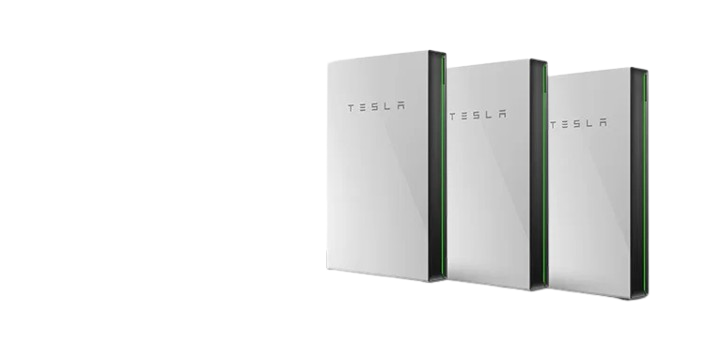
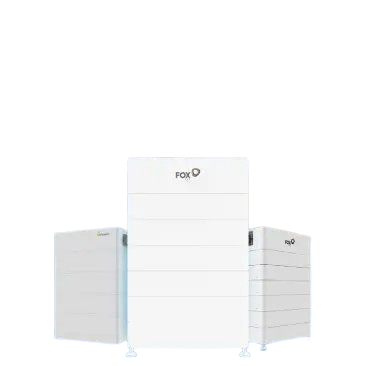
Most modern lithium‑ion batteries come with long 10-15 year warranty and high cycle counts between 6000-10000. Because of this, a well‑sized battery can easily last as long as your solar panels. Additionally, brands like GivEnergy, FoxESS, Sigenergy and Tesla are known for excellent performance in UK homes.
How Much Does a Home Battery Cost in 2026?
Battery prices vary by size and brand. Typical costs include:
- 5kWh systems: £2,500–£4,000
- 10kWh systems: £4,500–£7,000
- 15kWh+ systems: £7,000–£10,000+
The upfront cost may seem high. Even so, the long‑term savings and added energy security make batteries a solid investment. Smart tariffs can increase savings even further.
Are Batteries Worth the Cost?
In many cases, yes. A typical home battery can save between £250 and £500 per year. The exact amount depends on your usage and solar generation. Overall, battery storage is one of the most cost‑effective upgrades for solar homes
Are Batteries Worth It for Homes Without Solar?
Surprisingly, they can be. With time‑of‑use tariffs, a battery can charge at cheap overnight rates. It can then discharge during peak hours. As a result, even homes without solar can reduce their bills. This approach is becoming more popular as suppliers offer flexible pricing.
Final Thoughts
Battery storage is no longer a luxury. It is becoming a standard part of modern home energy systems. Whether you want lower bills, more independence, or protection from outages, a battery can transform how your home uses electricity.
â Call to Action
GLANtech SOLAR installs leading battery systems including GivEnergy, FoxESS, Sigenergy and Tesla. Contact us on 0333 049 6017 or email info@glantechsolar.co.uk for a custom quote.
If you’re considering adding a battery, take a look at benefits on our Solar Battery Guide on our website. also MoneySavingExpert provides helpful insights on Solar Battery Storage.
Tags: